


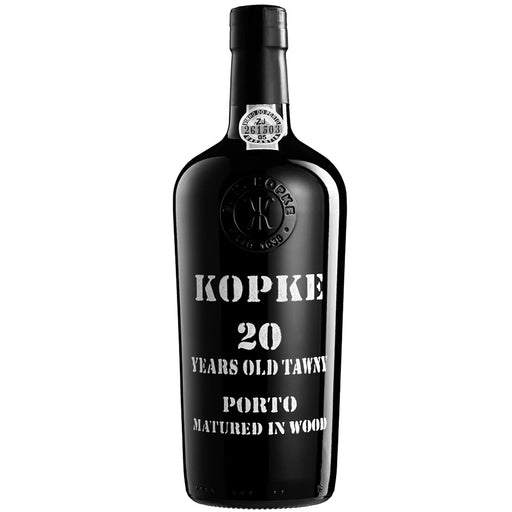


Every bottle in this collection is sourced from trusted Port houses known for craftsmanship and consistency. Whether you're discovering Port for the first time or adding to a seasoned collection, you’ll find exceptional quality and value here.


What does a 20‑year‑old Port taste like?
A 20‑year‑old Port offers a beautifully balanced profile of caramel, dried fruits, toasted nuts, honey, and warm spice. The long cask ageing softens the tannins, creating a silky, elegant finish that’s both rich and refined.
Can I add engraving to my bottle?
Yes many of our bottles can be professionally engraved to create a unique, personalised gift. Eligible products will clearly show the engraving option on the product page.
Do I need to decant a 20‑year‑old Port?
No, 20‑year‑old Tawny Ports are filtered before bottling and don’t require decanting. They’re ready to enjoy as soon as you open the bottle. Checkout our guide on whether to decant port or not.
How long does a 20‑year‑old Port last after opening?
Once opened, a 20‑year‑old Port can stay fresh for up to 4–6 weeks if stored in a cool, dark place with the cork firmly in place. Its oxidative ageing style helps it remain stable longer than most wines.
Is 20‑year‑old Port sweet?
Yes, it is naturally sweet, but not overwhelmingly so. Expect a balanced sweetness with layers of dried fruit, caramel, and nutty complexity.
What foods pair best with 20‑year‑old Port?
It pairs beautifully with blue cheese, dark chocolate, nut‑based desserts, creme brulee, and dried fruit tarts. It’s also excellent on its own as a dessert replacement.
For more ideas on what to enjoy with aged Port, explore our Port wine food pairing guide, where we break down the best desserts, cheeses, and savoury dishes to match with Port.
How should I store an unopened bottle?
Keep it upright in a cool, dark place away from temperature swings. Unlike vintage Port, Tawny Ports don’t require cellaring and are ready to drink upon purchase.
For more detailed tips on caring for your bottle, visit our Port wine storage guide, where we explain how to store Port properly, how long it lasts, and the best conditions for preserving flavour.
What’s the difference between a 20‑year‑old Port and a Vintage Port?
A 20‑year‑old Port is aged in oak casks for two decades, giving it a smooth, nutty, amber profile. Vintage Port ages mostly in the bottle and is richer, darker, and more tannic. For immediate drinking, 20‑year‑old Tawny is the more accessible choice.