

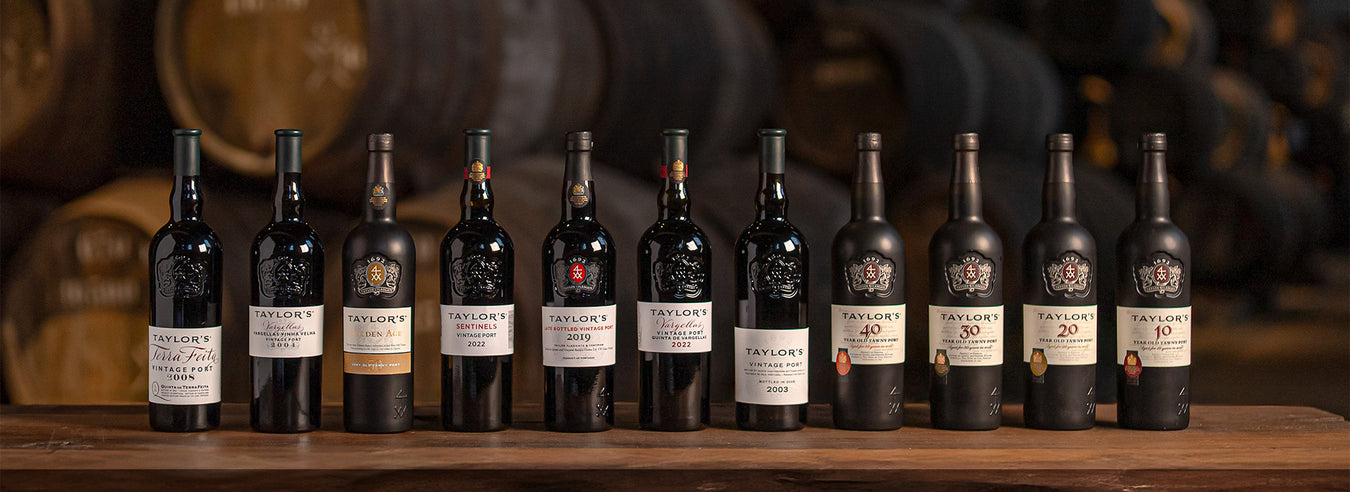
How Does Port Age?
Discover the intricate science of how Port wine matures in barrels.
Late Bottled Vintage (LBV) Port is made from grapes harvested in a single vintage year, then matured in oak barrels for four to six years before bottling. This extended ageing process softens the wine, creating a smoother, more accessible alternative to traditional vintage port, which is usually bottled after just 18 months.
While LBV lacks the full grandeur and ageing potential of vintage port, top-quality examples offer rich, velvety fruit flavours, mellow tannins, and a smooth, satisfying finish - perfect for enjoying now.
Explore our carefully curated selection of LBV Ports below, available for delivery or try in person at our Hereford branch in the heart of Herefordshire.
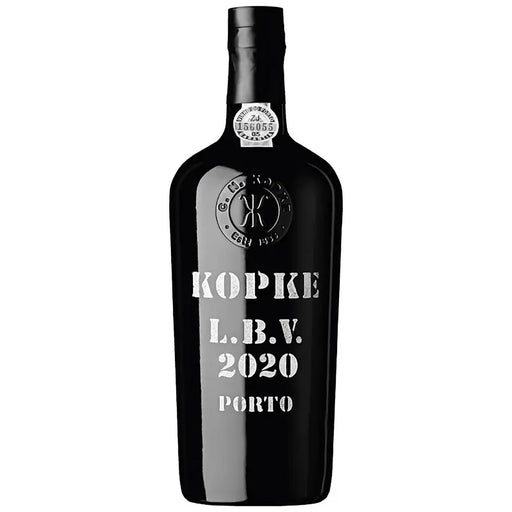 Kopke LBV Port 2020 75cl
Kopke LBV Port A LBV wine of an exceptional quality, from a single harvest, bottling only takes place between the fourth and sixth year after the h...
View full details W & J Graham's LBV Port 2020 75cl
W & J Graham's LBV Port The late bottled vintage (LBV) port from Graham's is crafted using grapes harvested from four distinct vineyards in the...
View full detailsTaylors Port & Vinte Vinte Chocolate Cups Gift This port gift combines a half bottle of Taylors LBV Port with artisan 58% dark chocolate cups. ...
View full details
Discover the intricate science of how Port wine matures in barrels.

Explore how port is made and dive into each distinct style.

Its's relatively simple. Discover how to maintain its depth of flavour.

Wondering what's the difference between LBV and vintage?
LBV stands for Late Bottled Vintage. It’s a type of Port made from a single year’s harvest and aged in oak barrels for 4 to 6 years before bottling. This ageing process gives it richness, smoothness and complexity.
Yes. Unlike traditional Vintage Port, LBV Port is bottled when it’s mature and ready to enjoy.
Most LBV Ports are filtered and intended for immediate enjoyment, so they don’t improve significantly with ageing. However, unfiltered LBV Ports can develop more complexity over 5–10 years if stored properly in a cool, dark place.
Most modern LBV Ports are filtered before bottling and do not need decanting. However, some unfiltered styles may benefit from it. Always check the label.
Expect bold fruit flavours like blackberry, plum, and dark cherry, often with hints of spice, chocolate and liquorice. It’s full-bodied and smooth, with a long, warming finish.
If sealed tightly and stored in a cool, dark place, LBV Port can last up to 2–3 weeks after opening without major flavour loss.
LBV Port is ideal with blue cheese, dark chocolate, rich puddings, fruitcake or roasted nuts. It also works well with venison or duck dishes.
Both are made from a single vintage, but LBV is aged in barrel longer and released ready to drink. Vintage Port is bottled after just two years and requires long ageing in bottle to reach maturity.